




Albania UNESCO Sites 2024
BUY A BUS TICKET IN ALBANIA
BUY TICKET
History in a Nutshell
Albania UNESCO Sites 2024 – Woven into the fabric of Albania’s history is a narrative spanning over four millennia, a nuance of conquests, empires, and the enduring spirit of a nation. This ancient land has hosted civilizations and empires, from the Normans, Romans, and even Serbs, each leaving an indelible mark on Albania’s cultural heritage.
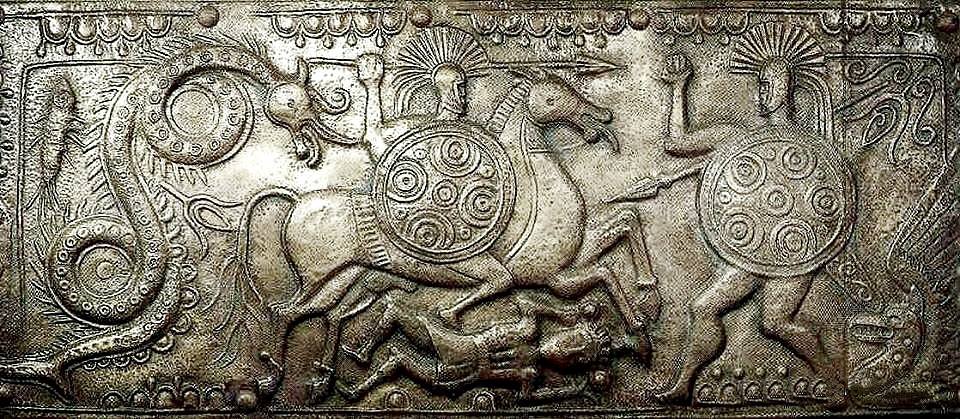
A dominant force in this historical symphony was the Ottoman Empire, reigning over Albania for an impressive four centuries. The resonance of this era can be felt today in the architecture, cultural traditions, and societal norms that continue to shape Albania’s identity.
As you journey through the ages, you’ll encounter remnants of bygone civilizations, tangible evidence of the diverse influences that have molded Albania. The architectural wonders, the intricacies of cultural traditions, and the essence of Albanian society all bear witness to a complex history.
In the 20th century, a new chapter unfolded as Albania claimed its independence. Yet, this period was marked by another transformative force – communist rule, a chapter spanning for nearly 50 years (1944- 1992). Albania found itself at the crossroads of history, navigating the challenges of nationhood, independence, and ideological shifts.
Today, Albania stands as a testament to resilience, its identity forged through centuries of history. The layers of the past are etched in the landscapes, whispered through the winds, and reflected in the eyes of its people. Explore the ruins, traverse the streets, and feel the heartbeat of a nation that has weathered the storms of time, emerging with a story as captivating as the land itself.
Preserving the History
It is no doubt that Albania has a very rich history, one worth protecting. As a result, UNESCO has taken action and declared some important locations as World Heritage sites.
Albania Unesco Sites 2024
- Apollonia Archeological Site
- Berat
- Butrint National Park
- Gjirokaster
- Lake Ohrid
Whether you find solace in nature’s embrace, revel in cultural discoveries, or lose yourself in the pages of history, these locations are crafted to cater to a diverse range of interests. They serve as a testament to the idea that travel is not a one-size-fits-all experience but a tapestry of possibilities waiting to be explored.
For the nature lover, there’s the allure of scenic landscapes, the embrace of the outdoors, and the opportunity to immerse oneself in the beauty of the surroundings. The sounds of rustling leaves, the scent of blooming flowers, and the warmth of the sun become integral parts of the journey.
If culture and history are your passions, these locations offer a rich tapestry of stories etched into every corner. From intricately designed buildings to artifacts that whisper tales of the past, there’s a captivating narrative waiting to be discovered. It’s a journey through time that adds depth to the travel experience.
What makes these destinations truly special is their ability to blend different features seamlessly. They are not confined to a singular theme but rather embrace a holistic approach, ensuring that every traveler, regardless of their preferences, finds something that resonates with them.
Apollonia Archeological Site
Albania UNESCO Sites 2024
Apollonia, with its breathtaking landscape and well-preserved archaeological park, stands as a testament to the enduring beauty of Albanian history. Nestled in tranquility, this ancient Illyrian settlement, often hailed by tourists as an ideal haven for meditation and relaxation, unfolds its stories through monuments and natural sites that have stood the test of time.
As you explore the remnants of Apollonia, the echoes of Albanian history reverberate through the air. The archaeological park, a carefully curated testament to the past, allows you to step into the footsteps of those who once walked these ancient grounds. The monuments, each a chapter in the unfolding narrative of Apollonia, invite reflection and a deep connection to the rich history of this strategic outpost near the Adriatic Sea.
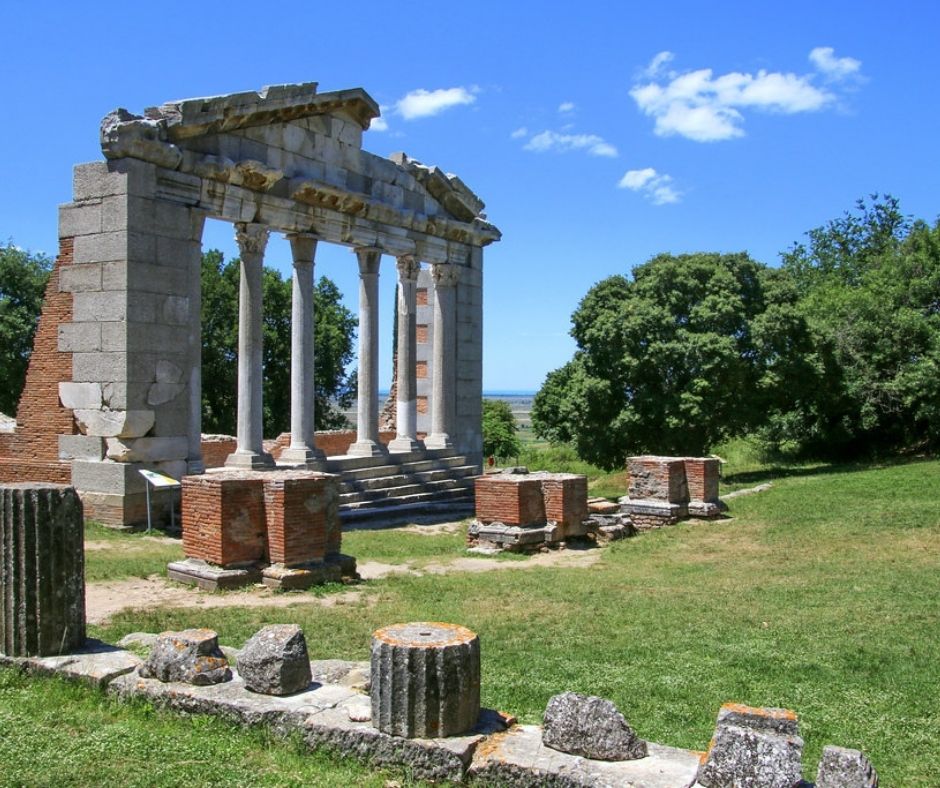
It is a journey through time, a visual and contemplative feast for those who appreciate the harmony of nature and history. The quietude of Apollonia adds to its allure, creating an ambiance that invites introspection and a sense of peace.
So, whether you’re drawn to the archaeological marvels or seek solace in the embrace of nature, Apollonia welcomes you to an experience where the past and present converge in a symphony of beauty and historical significance. It’s a place where the whispers of history and the serenity of the landscape create a perfect harmony, inviting you to immerse yourself in the magic of Apollonia.
Berat
Albania UNESCO Sites 2024
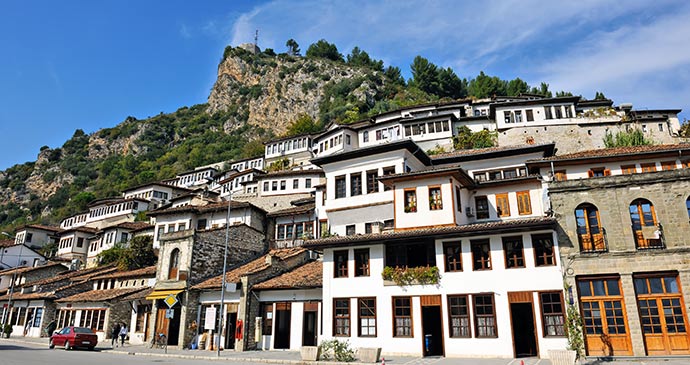
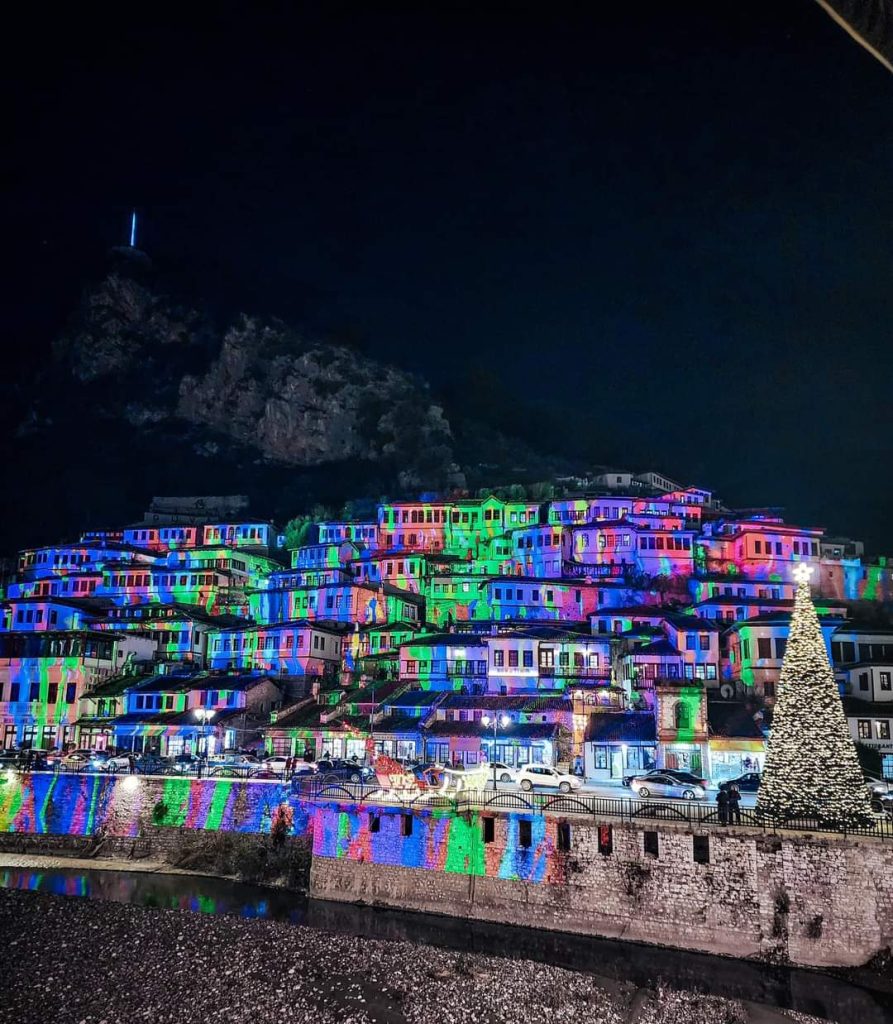
Nestled in the rugged terrain of southern Albania, Berat, famously known as the “City of 1000 Windows,” emerges as a hidden gem among UNESCO sites. Its picturesque landscape and cultural wealth make it a haven for history and architecture enthusiasts seeking an authentic experience in this ancient town.
Roaming the narrow streets, one can’t help but be captivated by the sight of white Ottoman-style houses with brown brick rooftops, earning the city its unique nickname. Despite its modest size, Berat conceals within its ancient walls over two millennia of captivating history and culture, a true time capsule waiting to be explored.
VISIT BERAT ON A DAY TOUR FROM TIRANA
The crowning jewel of Berat is undeniably the Berat Castle, a fortress with origins dating back to the 4th century, though much of its structure is a testament to the 13th century. Occupied by both the Ottoman and Byzantine empires, the castle serves as a living canvas portraying the architectural evolution influenced by these historical powers.
Diversity echoes through the castle’s stones, with old churches and mosques coexisting as silent witnesses to the ebb and flow of civilizations. The Holy Trinity Church, a masterpiece of Byzantine art from the 13th century, stands as a testament to the harmonious blend of Byzantine and Western architectural styles.
Beyond the castle walls, Berat beckons exploration of its cultural richness. The Ethnographic Museum provides an immersive experience into local traditions and heritage, adding depth to the visitor’s understanding of Berat’s cultural tapestry.
For those with more time on their hands, a short drive or bus ride from Berat leads to the Bogova Waterfall, a serene natural retreat offering respite from the historical immersion.
Berat’s timeless charm and historical abundance cast a spell, drawing visitors into a journey through the ages. Whether meandering through ancient quarters, unraveling the mysteries of the castle, or immersing oneself in the local culture, Berat stands as an authentic testament to Albania’s rich and diverse heritage.
Butrint National Park
Albania UNESCO Sites 2024
Nestled close to Saranda, the ancient town of Butrint unfolds its 2500-year-old history, captivating travelers seeking a summer retreat in Albania. Acclaimed as the country’s first UNESCO site in 1992, Butrint is a mesmerizing tapestry of architectural ruins echoing the tales of ancient civilizations such as Roman, Greek, and Byzantine.
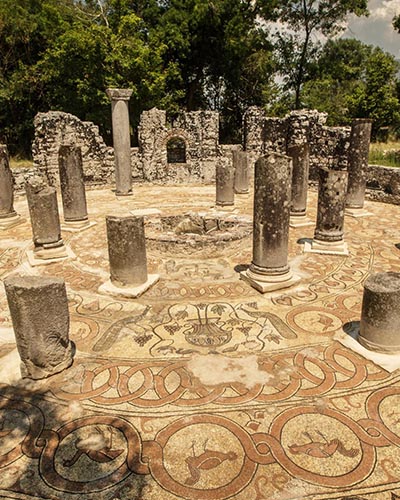
For an independent exploration of Butrint National Park, known for its Greek amphitheatre, ancient baptistery, and a 9th-century basilica, guided tours are recommended. Each structure stands as a silent witness to the town’s rich past, where centuries of diverse civilizations have left their indelible mark.
The cultural landscape of Butrint is a testament to its dynamic history, a beautiful fusion shaped by the myriad civilizations that once called it home. A stroll through its grounds unveils a harmonious blend of cultures, a living testament to the footsteps of those who left their legacy on this ancient town.
Resilience defines Butrint’s defensive architecture, a network of fortifications erected over time to withstand external threats. In the 19th century, Ali Pasha, a prominent Albanian ruler, contributed to this legacy by constructing a fortress next to the Vivari Channel.
Much like other UNESCO sites in Albania, Butrint has undergone cycles of restoration and reconstruction, each epoch adding layers to its historical fabric. The ruins reflect the intricate interplay of civilizations and empires that have graced Butrint with their presence.
Embarking on a day trip from Saranda to Butrint National Park offers an exciting journey into well-preserved historical sites, where the National Park serves as a living repository of Albania’s cultural heritage. For those seeking an extra layer of adventure, the ruins of Ali Pasha Castle await exploration, providing a multidimensional experience of Butrint’s captivating history.
Gjirokaster
Gjirokastra, also known as the “city of stone,” is a charming Albanian town famous for its white houses with brown rooftops. One of its standout attractions is the Gjirokaster Castle, a well-preserved fortress that now serves as a weapon museum.
Situated on a hill between the Drino River and the Gjere Mountains, Gjirokastra is often compared to Berat.
For first-time visitors, exploring the castle is a must. The castle offers an interesting peek into Albania’s history with its collection of armor and weapons.
Other notable spots include the Zekati Family House from the early 1800s and the Skenduli House dating back to the 1700s, known for its intricate design.
A unique feature of Gjirokastra is its underground bunker—a stark reminder of Albania’s communist era. Going 80 meters deep, the bunker has over a hundred rooms and escape routes, providing a chilling experience.
A visit to the Gjirokastra Bazaar, a short stroll from the castle, is perfect for finding Albanian souvenirs. The bazaar’s architecture is worth admiring, even if you’re not shopping.
Don’t miss out on the local food scene. Gjirokastra offers various culinary delights like Albanian wine and Pasha Qofte. The town, with its blend of history, architecture, and food, guarantees a pleasant exploration of Albania’s cultural richness.

Lake Ohrid
Having been to the cities of “stone” and “1000 windows”, mother nature still awaits, and it has an important and relaxing story to share with you.
Lake Ohrid, an Albania UNESCO site shared with North Macedonia, boasts not only natural beauty but also a rich history. While the lake itself holds UNESCO world heritage status, the town of Ohrid, expanded in 2019 to include the adjacent region of Pogradec, is a treasure trove of historical significance.
In the 5th century, Ohrid played a crucial role as a safe passage route for the Illyrians and the Slavs, adding layers to its diverse history.
The expansive lake, dotted with tiny boats and yachts, creates a serene backdrop for the town. Ohrid exudes a calm and relaxed atmosphere, inviting visitors to soak in its historical sites while enjoying the picturesque surroundings.
With numerous restaurants and cafes, Ohrid is an ideal tourist spot for a night’s stay. Whether exploring the UNESCO-recognized lake or wandering through the historical remnants, Ohrid promises a blend of natural beauty and cultural heritage that captivates travelers.